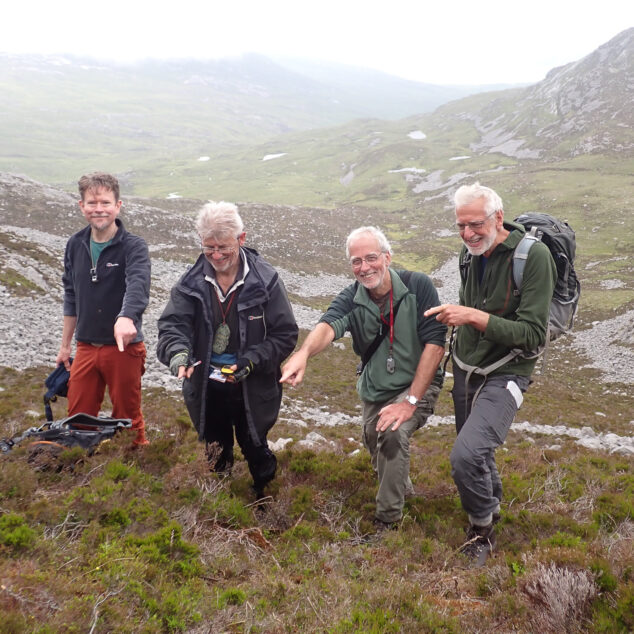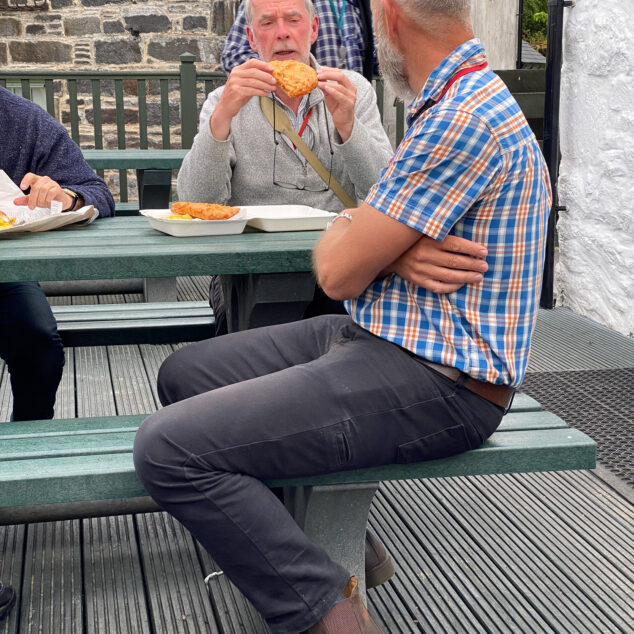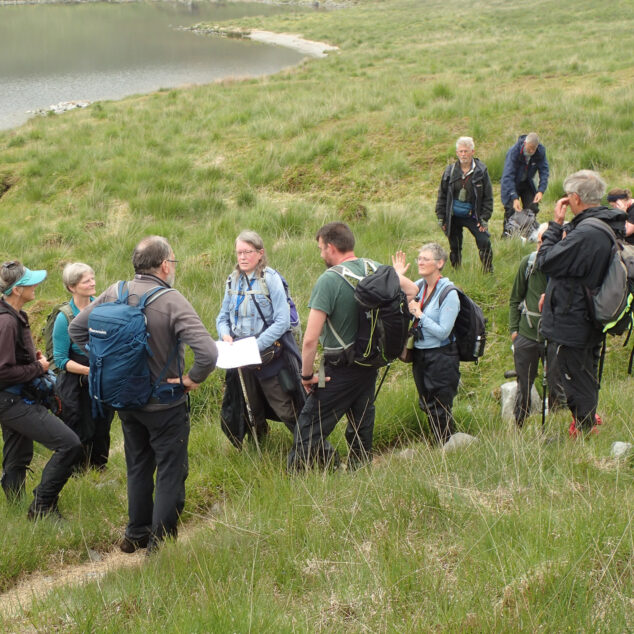

The Centenary year is drawing to a close (although there are of course still some local group meetings taking place). However, we can start to look back on a successful celebratory year, with 4 national field meetings, a fantastic Centenary AGM at the Royal Botanic Gardens Edinburgh, and well over 30 Centenary and National Moss Day events throughout Britain and Ireland. Hopefully all of these have raised the profile of bryophytes a little and made more people aware of their subtle beauty and complexity.
A big thank you to all members who organised these events and of course to our Events Secretary, Philippa Thompson, who worked tirelessly to ensure the success of the year and of our very first National Moss Day.
It’s that time of year again! We will soon be sending out subscription renewal reminders to those members who don’t pay by regular Standing Order.
The easiest way to renew your membership is via PayPal on the Join and Renew page (scroll to the bottom of the page). If you would prefer to make a bank transfer then please contact the Membership Secretary for the BBS bank details.
We are looking to implement a new membership management system sometime in the New Year, so it’s probably not worth setting up a Standing Order for BBS membership if you don’t already have one. There will be options for automatically renewing membership in the new system.
The first National Moss Day on 21st October was celebrated throughout the UK and Ireland with almost 30 events and exhibitions and the launch of at least 4 moss trails! A big thank-you to the many members who organised events or helped out in any way during the weekend (or before and after).
Introduction to Bryophytes
If you’ve ever been fascinated by the colourful and multi-textured array of mosses on a stone wall, stony ground or woodland floor, and wondered what they all are, then this section is for you. The Learning area of the website will introduce you to bryophytes and get you started identifying some of the common species around where you live.
Start here
Explore your area
…without even leaving the house. Many knowledgeable and experienced BBS members have contributed to the vice-county pages, describing what can be found in their local areas and giving hints and tips on places to visit. Read all about your vice-county before you head out.
Launch the Vice-county explorer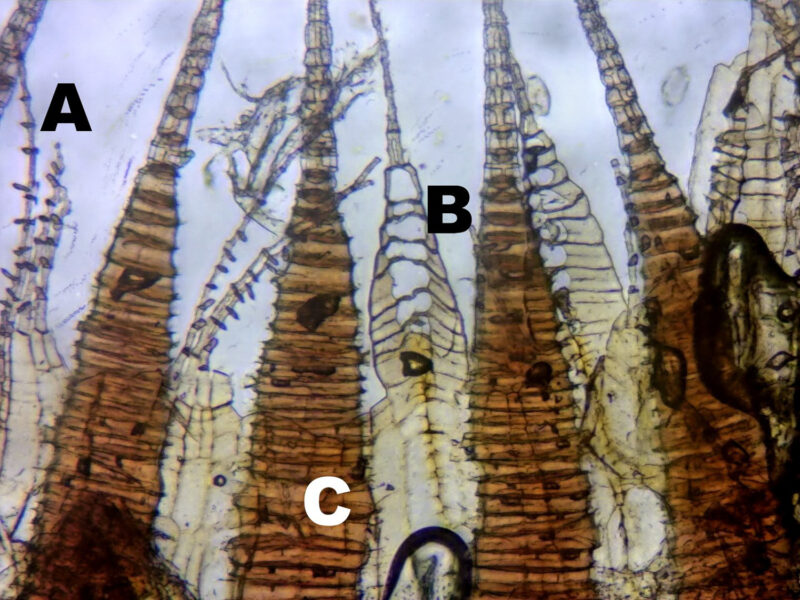
Species Finder
The Species Finder is your gateway to a wealth of information about the mosses, liverworts and hornworts to be found in the UK. Ultimately, we hope to include a page dedicated to each species, with identification tips, up-to-date distribution information, links to useful resources and an image gallery showing a range of images including habitat photos, close-ups and microscope images.
Browse our Species pages
Bryophytes really repay a little more study – they are not just beautiful in the field! Here you can see the antheridia (male organs) of Hypnum cupressiforme in various stages of development. To observe these, you need to find a shoot with diminutive male side branches, then just dissect one of these, removing all the subtending bracts. This specimen was collected in January, but antheridia may not be present throughout the whole year; we don’t know a great deal about the timing of sexual reproduction stages for many bryophytes species.
Learn MoreWe have a full programme of events at both national and local levels. Please click the link below for details.
See all our upcoming eventsNorth West Scotland Group: Glen Affric, Highlands
London Bryophyte Group: Wimbledon Common